Mutianyu vs Jinshanling: Which Great Wall Section to Climb
I’ve stood on both of these walls, and the honest answer to “which one?” is that they’re almost different buildings wearing the same name. Mutianyu is the one I send my sister to with her two kids and zero stress. Jinshanling is the one I drag my photographer friends to at 4 a.m. so they can watch the sun come up over a wall that’s quietly falling apart in the most beautiful way. One is a polished, restored, cable-car-and-toboggan theme-park-grade experience 70 km from Beijing. The other is a 130 km haul into Hebei where half the wall is crumbling and there’s no cable car at all. Pick wrong and you’ll either be bored stiff on a “hike” or dangerously underprepared on a real one. Here’s how I decide, and what I wish someone had told me before my first trip.
The 30-second verdict (read this first)
Mutianyu if you want the Great Wall to be easy and gorgeous: restored stone, a cable car up to Tower 14, a toboggan ride down, and crowds that are a fraction of Badaling’s even on a busy day. Jinshanling if you want the Wall to feel like the Wall: 10.5 km of ridgeline with 67 watchtowers, sections that are beautifully restored and sections that are weathered half to rubble, and maybe fifty other people across the whole stretch. The trade is simple — Mutianyu costs you convenience and comfort; Jinshanling costs you time, effort, and a longer drive.
Mutianyu — the easy, gorgeous, family default
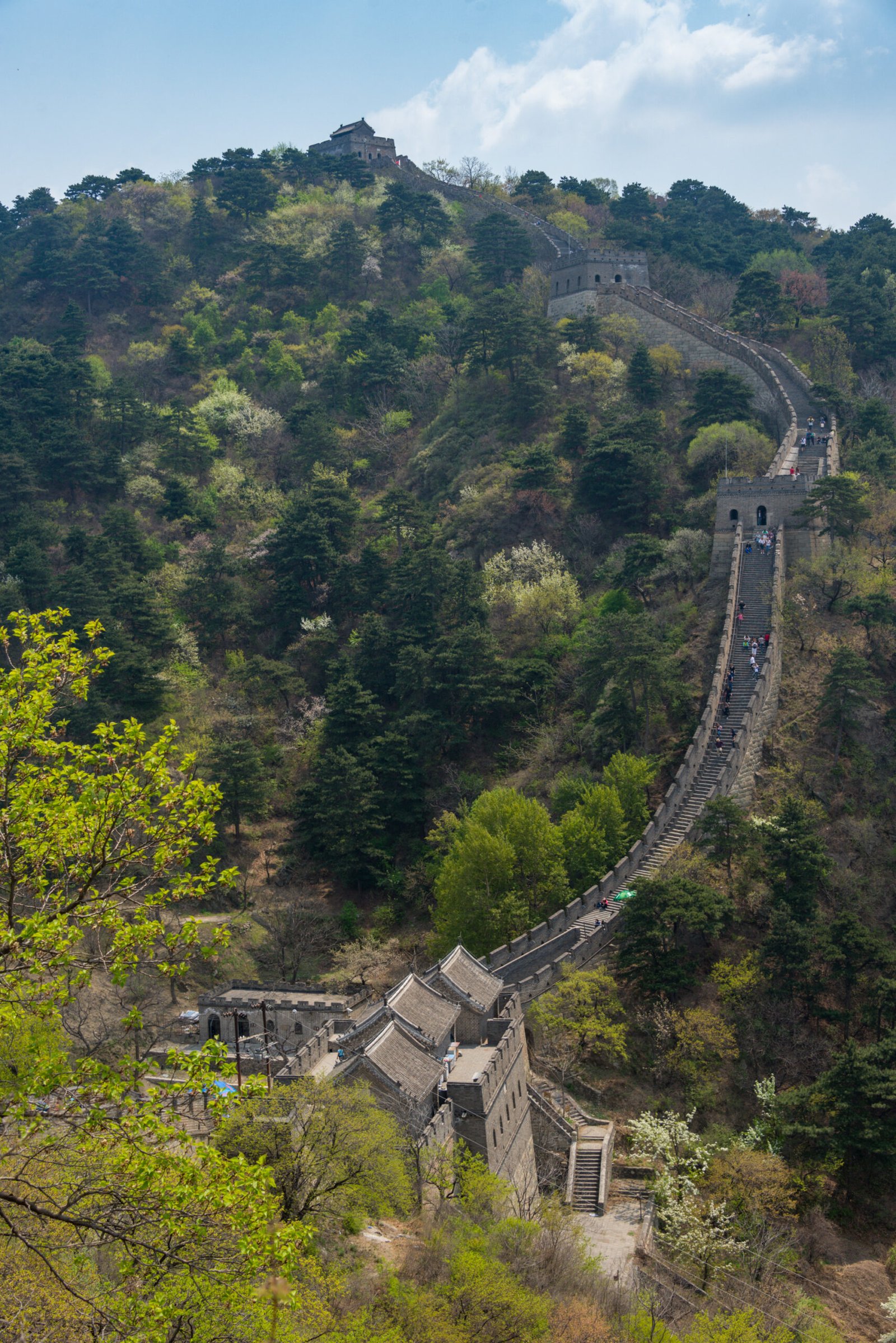
Mutianyu sits in Huairou District about 70 km northeast of central Beijing, and it’s a Ming-era section built in 1368 that runs roughly 2.25 km across 22 watchtowers. The reason most first-timers land here isn’t the history — it’s that the infrastructure is genuinely good. You ride a shuttle from the parking lot, a cable car to Tower 14 in about eight minutes, and then you walk either direction on fully restored, railed battlements. The east stretch toward Tower 20 is the steeper, more dramatic photo section; Tower 14 itself is the famous “world leaders came here” viewpoint.
Getting there and the money
The cleanest independent option in 2026 is the MuBus direct coach: ¥80 round trip (¥40 one way) from Dongzhimen Station, about 90 minutes each way, with departures at 9 a.m. and 10 a.m. and returns at 2 p.m. and 3 p.m. Book the night before through the 慕巴士 WeChat account. At the gate you’ll pay a ¥40 plain entry ticket (or ¥45 if you want the souvenir postcard version) plus ¥140 for the round-trip cable car — both via Alipay or WeChat Pay, and you need your physical passport. The chairlift-and-toboggan combo runs about ¥140 round trip, and the toboggan down alone is roughly ¥85–120. A private round-trip driver runs ¥800–1,000 for an 8-hour day if you’d rather skip the coach schedule. Opening hours in peak season (March 16–November 15, 2026) are 7:30–18:00 on weekdays and 7:30–18:30 on weekends, with ticket sales ending about half an hour before close.
What it actually feels like
I’ll be blunt: the first ten minutes feel a little like a resort — not quite the Window of the World theme park, but there’s a commercial street, a shuttle, a cable car queue. But once you’re up on the wall and walking east toward Tower 20, the valley drops away and it’s just you, the crenellations, and a wooded ridge that goes on forever. The toboggan down is not a gimmick — it’s the single thing every kid (and every adult pretending not to love it) remembers. The one thing I’d do differently: go Tuesday through Thursday. Friday and weekends roughly double the cable car queue, and a 40-minute wait turns a relaxed morning into a slog. Bring water and a snack; the on-wall food stands are overpriced and thin.
Jinshanling — the Wall that still feels wild
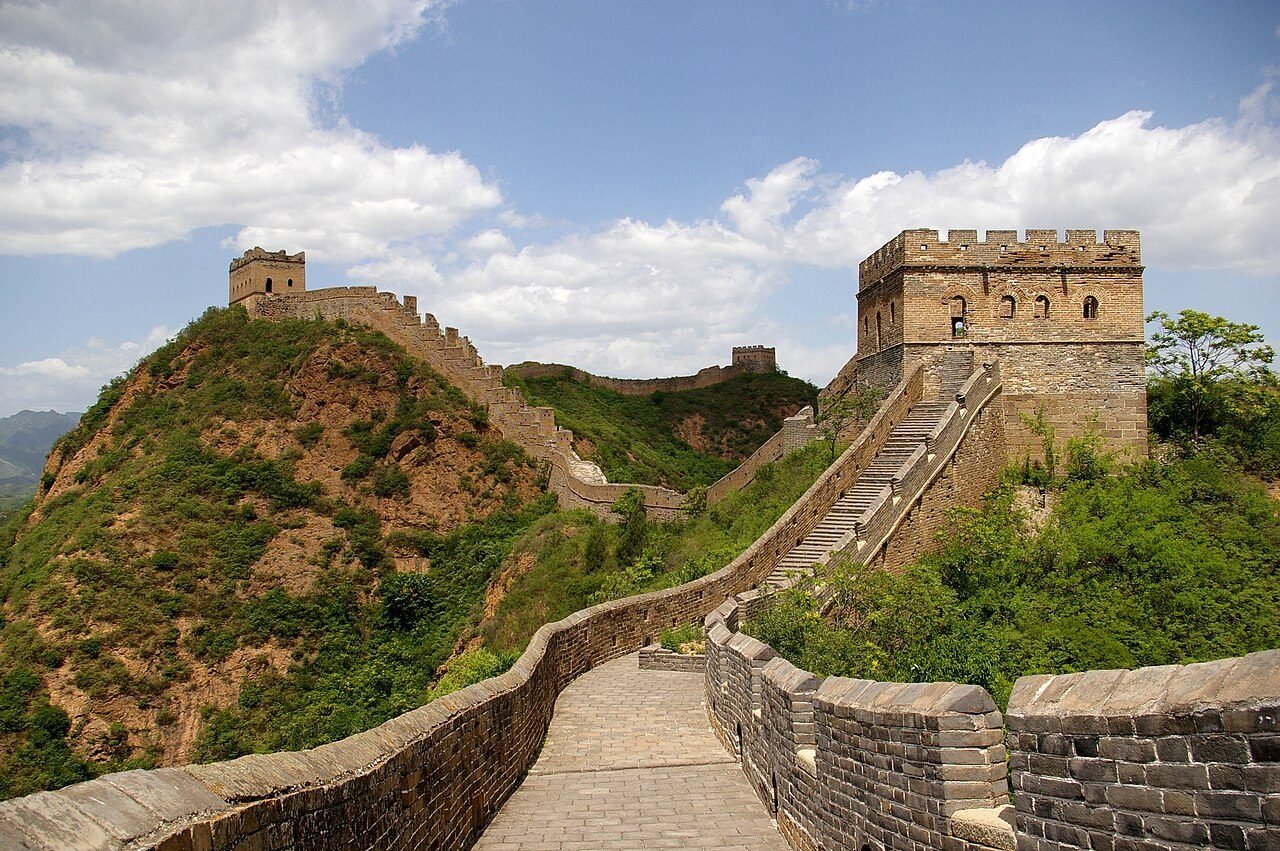
Jinshanling is in Luanping County, Chengde Prefecture, Hebei — not Beijing — about 130 km northeast of the city. That provincial-border placement is the whole reason it stays quiet: it’s simply farther, and there’s no direct train or clean public bus. The walkable stretch is 10.5 km with 67 towers. About half is restored; the other half is weathered, partly reclaimed by grass, with watchtowers you can climb inside and lean out of broken windows. This is the Wall that shows its age, and for a lot of travelers that’s exactly the point.
The logistics tax
You earn Jinshanling. There’s no cable car on most of the route — you walk, with continuous up-and-down on uneven stone and exposed sections with no handrail. A guided day tour runs about ¥600–900 per person with hotel pickup; a private driver is ¥1,200–1,800 for the day; a seasonal tourist shuttle from Beijing is around ¥150 round trip (May–October). The budget bus option exists — ¥58 to Luanping County then a ¥30–50 taxi — but it’s a 4+ hour each-way ordeal I don’t recommend for a single day. Entry is ¥65 in peak season (¥55 off-peak) in 2026, with a one-way cable car at ¥40 if you want a lift to the ridge. If sunrise photography is your actual goal, the early-entry permit is ¥150 extra and gets you in at 4 a.m. — and you’ll need a private driver, because you’d leave Beijing around 2 a.m. otherwise.
What you earn for the effort
Solitude, mostly. On a weekday I shared the ridge with maybe a few dozen hikers spread across miles. The classic route is a 4-hour walk east toward the Simatai boundary — and here’s the catch worth knowing: the full Jinshanling-to-Simatai through-hike traverses a restricted buffer zone that’s been intermittently closed, so don’t plan on crossing into Simatai without checking current status. You can still walk to the boundary, which is the best stretch anyway. The serious move, and the one I now recommend to anyone who cares about photos (our China photography guide covers the gear and timing), is to overnight at Gubei Water Town (about 40 km away, ¥600–1,500 a night) and catch sunrise on the wall without the 2 a.m. alarm. That quiet, golden-light moment with no one else around is, for me, a top-five China memory.
How I’d actually choose
If you have one day and one shot at the Wall, and anyone in your group is under ten or over seventy, Mutianyu wins without argument. It’s the rare attraction that’s both spectacular and genuinely accessible — the same reason it anchors most China-with-toddlers itineraries. If you’ve already “done” a restored section, or you hike for fun, or you want photos that don’t look like everyone else’s, Jinshanling is the better story — just respect the distance and the terrain. I’d skip both only if you’re dead set on Badaling (too crowded) or Jiankou (officially closed and genuinely dangerous — people die there). The Great Wall itself is a UNESCO World Heritage Site, inscribed in 1987, and both these sections are part of that same protected fabric — which is worth remembering when you’re tempted to treat the wild bits as a gym. The official Beijing tourism portal (Beijing Tourism) carries current section-by-section guidance if you want to cross-check opening times before you go.
One last practical note: download Amap with offline maps before you leave Beijing (our Beijing–Shanghai bullet train guide covers getting in and out of the capital). Google Maps misroutes the rural approach to both sections, and a wrong turn outside Mutianyu can cost you an hour. Carry ¥200 cash as a backup even though Alipay and WeChat Pay cover almost everything at the gates.
Quick Facts: Mutianyu vs Jinshanling
| Detail | Mutianyu | Jinshanling |
|---|---|---|
| Location | Huairou, Beijing (~70 km) | Luanping, Hebei (~130 km) |
| Restoration | Fully restored, railed | Half restored, half wild |
| Walkable length | ~2.25 km, 22 towers | ~10.5 km, 67 towers |
| Entry (2026 peak) | ¥40–45 | ¥65 (¥55 off-peak) |
| Cable car | ¥140 round trip to Tower 14 | ¥80 round trip (some sections) |
| Toboggan | Yes, ~¥85–120 down | No |
| Drive from Beijing | ~90 min | 2–2.5 hrs |
| Best for | Families, first-timers, easy views | Hikers, photographers, sunrise |
| Crowd level | Moderate (off Badaling) | Low, especially weekdays |
FAQ
Which Great Wall section is best for first-time visitors?
Mutianyu. It’s restored, has a cable car and a toboggan, and is far less packed than Badaling while still being an easy 90-minute coach ride from Beijing. You get the iconic views without the tour-group crush.
Can I do Jinshanling without a tour or private driver?
Technically yes — a budget bus to Luanping plus a taxi runs about ¥90–110 total but takes 4+ hours each way, making it a brutal 12-hour day. Most visitors use a guided tour (¥600–900) or a private driver (¥1,200–1,800/day) for a reason.
Is the Jinshanling-to-Simatai hike still open?
The through-hike crosses a restricted buffer zone that’s been intermittently closed, so don’t count on walking all the way into Simatai. You can still hike to the boundary from Jinshanling, which is the most dramatic stretch anyway. Check current status before you plan around it.
How much should I budget for Mutianyu per person?
Plan roughly ¥200–260 all-in if you take the MuBus (¥80) plus entry (¥40–45) and the round-trip cable car (¥140). Add the toboggan (¥85–120) if you want the slide down. A private driver splits to a similar per-person total for two or three people.
When should I avoid both sections?
October 1–7 (Golden Week) packs even Jinshanling, and weekends May–October are noticeably busier everywhere. Arrive at Mutianyu by 8:30 a.m. and at Jinshanling at opening for the best light and smallest crowds.
Conclusion
Neither section is “better” — they’re answers to different questions. Mutianyu answers “show me the Great Wall without breaking a sweat,” and it does that beautifully. Jinshanling answers “let me feel the age of this thing,” and it delivers solitude and ruin-that-photographs-like-a-dream in exchange for a longer, harder day. If you have the time, do both: Mutianyu on your first Beijing trip, Jinshanling once you’ve caught the bug. I’ve never regretted either — only the mornings I slept through the 2 a.m. pickup for sunrise.