An island that is also a mountain
Mount Putuo is the odd one out among China’s famous mountains because it is an island, off the coast of Zhoushan in Zhejiang. It is one of the four sacred Buddhist mountains, dedicated to Guanyin, the goddess of mercy, and it draws a steady stream of pilgrims who come to burn incense and walk the coastal cliffs. I went expecting a temple and found a whole small island of them, strung along pine paths between the sea and the hills.
The ferry from the mainland takes about fifteen minutes to half an hour depending on which port you leave from, and the moment you step off the air changes. It is quieter, saltier, and the rhythm of the place is set by the temples rather than the shops. For a traveler burned out on big-city China, Putuo is a genuine exhale.
Getting to the island
Most people route through Zhoushan, which is reachable by bus from Hangzhou Grand Canal hubs or by air. From Zhoushan’s Putuoshan wharf the ferries run frequently. On busy holidays the queues are long, so an early boat is the move. I stayed overnight on the island, which I recommend, because the evening and morning chanting are the best part and the day-trippers are gone.
Within the island, electric shuttles connect the main temple clusters, but the nicest stretches are walked. The China train tickets page is useful for the mainland leg if you are coming from Shanghai or Hangzhou by rail, then bus to the port.
The three great temples
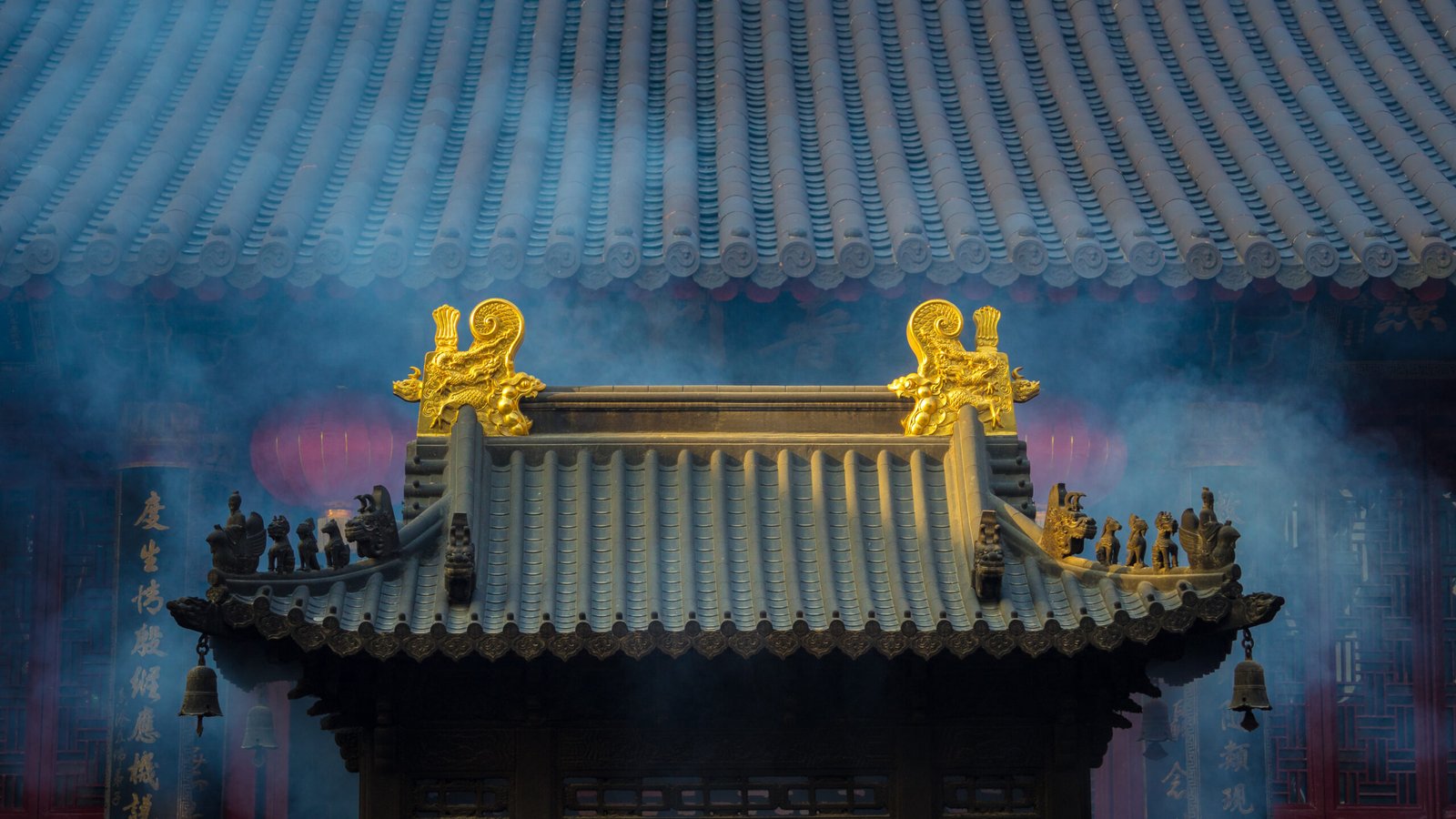
Putuo has dozens of temples, but three anchor the visit. Puji Temple, near the ferry, is the largest and busiest, with a pond of lotus and a hall that holds a thousand-handed Guanyin. Fayu Temple climbs the hillside in tiers and feels more contemplative. Huiji Temple sits at the highest point and requires a walk or cable car up, but the view back over the archipelago is the island’s best.
I am not Buddhist and I still found the morning rites moving. The monks chant in a low monotone that carries across the courtyards, and the smell of sandalwood is constant. Arrive before 8 a.m. to hear it without the day-trip crowds.
The southern cliffs and the sound of the sea
Beyond the temples, Putuo’s coast is the surprise. The southern tip has cliffs where the rocks are carved with giant characters and the waves come in hard. There is a spot called the “Sound of the Sea” cave where the swell echoes like a drum. I sat there longer than planned, which is the highest praise I can give a viewpoint.
The island is green and small enough to cross on foot in a day if you are fit, though most visitors do a loop by shuttle and walk the gaps. Bring water; the hills are gentle but the sun is strong.
Where to stay and eat
The island has hotels and temple guesthouses. The temple lodgings are basic and bookable through the monasteries, and they put you closest to the dawn rituals. I stayed in a small hotel near Puji and paid around 300 yuan off-season, more in peak. Vegetarian food is the default here, and the temple canteens serve simple, filling meals for a few yuan. The West Lake Hangzhou area has richer eating if you want a contrast on the mainland before or after.
Best time and crowds
Spring and autumn are mild and clear. Avoid the major Buddhist festivals if you dislike crowds, because Putuo swells on Guanyin’s birthday days. The best time to visit China overview covers the wider picture, but for Putuo specifically, a normal weekday in May or October is ideal. Summer is hot and humid; winter is quiet and cold but peaceful.
Reaching Zhoushan and the ferry details
The mainland gateway is Zhoushan, which is not an island itself but a prefecture of islands joined by bridges, with a busy ferry terminal at Putuoshan wharf. From Shanghai or Hangzhou you can take a long-distance bus straight to the wharf, or train to Ningbo and then a bus across the bridges. I came from Hangzhou by bus and the ride was about three and a half hours, comfortable and cheap, with the last stretch crossing open water on the bridge, which is a small thrill if you have never driven onto the sea.
The ferry to Putuo runs from early morning to early evening and takes between fifteen and thirty minutes depending on the boat. In peak season the lines form an hour before sailing, so buy your ticket online in advance if you can. The boat is a simple catamaran with open decks, and the short crossing gives you the first view of the island’s green hills rising from the water. Have your passport ready, because the island is a managed scenic area and the ticket booth checks ID.
Festivals and the busy days
Putuo’s calendar turns on Guanyin. Her birthday in the second lunar month, her enlightenment day in the sixth, and her renunciation day in the ninth each draw tens of thousands of pilgrims, and the island fills to the point that ferry tickets sell out days ahead. I deliberately avoided those windows and went in a normal May, which gave me the paths and the temples mostly to myself. If you want the spectacle of a living pilgrimage, the festival days are unforgettable; if you want peace, pick an ordinary weekday and check the lunar dates before you book.
The atmosphere on a quiet day is different in kind. The monks chant, the incense burns, and the only sound apart from that is the wind in the pines and the distant sea. It is the sort of calm that is hard to find in coastal China, and it is the reason the island keeps drawing people back.
Practical notes for the island
There is an entry ticket for the island itself on top of the ferry, and the temple sites are included or separately ticketed depending on the current rules, so check at the booth. The electric shuttles run a fixed loop and are worth the small fare if you are short on time, but the walking between Fayu and Huiji is pleasant and flat-ish. Bring water and a hat; the sun on the open southern cliffs is strong even when the rest of the island feels cool.
Accommodation books up in summer and on festivals, so reserve ahead. The temple guesthouses are the cheapest and the closest to the rituals, but they are bare, with shared bathrooms and a curfew quiet. The commercial hotels near Puji are more comfortable and only slightly dearer. I would choose the temple stay once for the experience and a hotel the next time for the sleep.
Quick facts
- Mount Putuo is an island off Zhoushan, Zhejiang, and one of China’s four sacred Buddhist mountains.
- It is dedicated to Guanyin, the goddess of mercy, and is a working pilgrimage site.
- The three main temples are Puji, Fayu, and Huiji, the last at the island’s high point.
- A ferry from the Zhoushan mainland takes 15 to 30 minutes.
- Vegetarian food is the norm; temple canteens serve cheap, simple meals.
- Overnighting beats a day trip for the morning and evening chanting.
Frequently asked questions
Do I need to be Buddhist to enjoy it?
No. The temples are open and the atmosphere is welcoming. I went as a curious non-believer and found the rites and the coastal walks worthwhile on their own terms.
How long should I stay?
One night lets you catch the morning and evening ceremonies. A day trip is possible but rushed. I would block two days if you want to walk the southern cliffs without hurrying.
Is it crowded?
On ordinary days, manageable. On Guanyin festival days and national holidays, very. Pick a normal weekday and you will have the paths largely to yourself.
Can I stay at a temple?
Yes, some monasteries offer simple guest rooms. They are bare but clean and put you steps from the dawn chanting. Book through the temple or your agent, as online listings are limited.
What should I wear?
Shoulders and knees covered for temple entry. Comfortable walking shoes for the hill paths, and a light rain layer because island weather turns quickly.
How do I combine it with Hangzhou?
Train or bus to Zhoushan, then the ferry. The best cities for first-time visitors guide lists Hangzhou as a base, and Putuo makes a strong two-day side trip from there.
Is the food good for non-vegetarians?
It is mostly vegetarian by design. If you want meat, eat on the mainland before you cross. On the island, the temple-style vegetable dishes are the honest local experience.
Want a Zhejiang loop that pairs Putuo’s islands temples with West Lake and a canal walk? Tell us your dates through our contact page and we will sort the ferries and the food-and-travel route.
Written by the ChinaTravelFood editorial team.