Lhasa is high, slow, and a good base
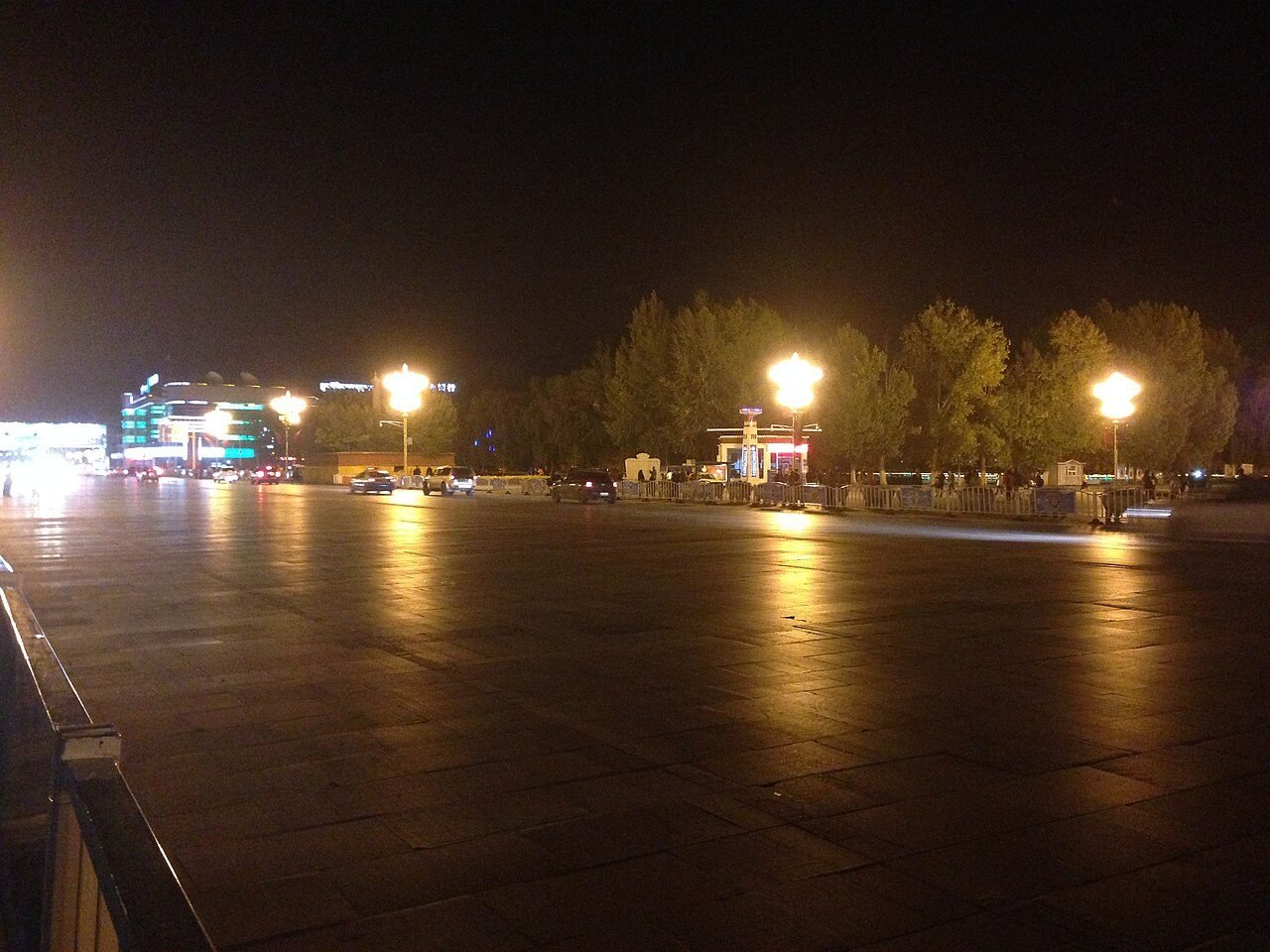
I landed in Lhasa at 3,650 meters and spent the first afternoon doing nothing but breathing and drinking sweet tea. That was the right call. The city is the natural hub for central Tibet, and because of the altitude you should treat any day trip as something that starts with a rest, not a sprint. Once you’ve acclimatized for two or three days, the region opens up: lakes, monasteries, and a mountain pass that will rearrange your sense of scale.
Remember the permit rule first. Foreign travelers need a Tibet Travel Permit obtained through a registered tour operator, and you can’t just rent a car and drive off. The Tibet and Xinjiang permits guide explains the paperwork, and you should sort it before you book flights. Most day trips from Lhasa run through an operator who handles the driver and the permit checkpoints.
Within the city: the two must-sees
Before you leave town, see the Potala Palace and the Jokhang Temple. The Potala is the red-and-white fortress on the hill, and tickets need to be booked ahead, often a day prior, with a timed slot. The Jokhang is the spiritual center, packed with pilgrims, and the walk around it (the Barkhor) is the best people-watching in Tibet. Both are half-day each and both are at altitude, so pace them.
The Lhasa food travel piece covers where to eat between sights: momos, thenthuk noodle soup, and the sweet tea houses where old men play dice for hours.
Namtso Lake: the sky lake
Namtso (纳木错) is the classic Lhasa day trip and the one I’d prioritize. It sits at about 4,700 meters, a turquoise lake ringed by snow peaks, about 4-5 hours each way by road. The drive crosses the Lakenla pass at over 5,000 meters, which is no joke; I felt dizzy at the top and needed to walk slowly. A private car with driver through an operator runs roughly RMB 600-900 for the day, split between passengers.
The catch is altitude and season. The road is sometimes closed by snow from November to April, and even in summer the wind off the lake is bitter. Bring a real jacket even in July. If you feel ill at the pass, don’t push to the shore; the lake will wait, your lungs won’t.
Drigung Til Monastery and the sky burial
About two hours east is Drigung Til, a monastery famous for its sky burial site. Sky burials are a Tibetan Buddhist funeral where the body is offered to vultures, and they are not a show. Visitors are usually kept at a distance and photography is forbidden. I went out of curiosity and left quiet; it’s a working ritual, not a spectacle. The monastery itself, on a ridge, is calm and worth the drive. Go with a driver who knows the etiquette, and ask before you even get close.
Yamdrok Lake: the closer blue one
Yamdrok (羊卓雍错) is the easier lake trip, about 2.5 hours south on a good road that climbs over the 4,995-meter Kampala pass. The lake is a deep winding blue that bends around peninsulas, and there are viewpoints where you can stand above it. This is the better option if Namtso’s altitude worries you, because you don’t stay up as long. A day trip runs RMB 500-700 with a driver.
I’d pick Yamdrok over Namtso only if altitude is a hard limit. Namtso is bigger and wilder; Yamdrok is prettier from above but you don’t reach the shore on most tours.
Reting Monastery and quiet valleys
If you want to escape the tour circuit, Reting Monastery north of Lhasa sits in a pine valley and is barely on the foreign map. The drive is rough in places but the quiet is real. This one needs a full day and a confident driver. I mention it because the famous trips get crowded in August, and Reting was the calmest morning I had in Tibet.
Trip comparison
| Trip | Drive each way | Max altitude (m) | Cost (RMB, shared) | Season |
|---|---|---|---|---|
| Namtso Lake | 4-5 hr | 5,190 (Lakenla) | 600-900 | May-Oct |
| Yamdrok Lake | 2.5 hr | 4,995 (Kampala) | 500-700 | Apr-Oct |
| Drigung Til | 2 hr | 4,150 | 400-600 | Year-round |
| Reting Monastery | 2.5 hr | 4,100 | 500-700 | May-Oct |
Quick facts
- Foreign travelers need a Tibet Travel Permit arranged through an operator before arrival.
- Acclimatize in Lhasa for 2-3 days before any high lake trip.
- Namtso road can close November to April due to snow.
- Most trips use a private driver; you can’t self-drive as a tourist.
- Carry a warm layer even in summer; lake wind is cold.
- Sky burials are private rituals; keep your distance and don’t photograph.
Altitude is the real planner
Everything in Tibet runs through the altitude. The altitude sickness guide is worth reading before you fly in. My rule: no lake trip in the first two days, no running, and more water than feels reasonable. The operators know the roads, but they won’t stop you from overdoing it, so the discipline is yours.
Food on the road
Out at the lakes there’s little to eat beyond noodle stalls and thermos tea. Pack snacks and water in Lhasa before you leave. The butter tea route explains the yak-butter tea you’ll be offered, which is salty and odd at first but warms you fast at altitude. I took to it by day three.
The permit and the clock
The permit isn’t just paperwork; it sets your clock. You can’t leave Lhasa for the lakes without it, and the checkpoints scan it, so build the first two acclimatization days around the city sights, not the road. I planned Namtso for day four and was glad; day two I was still short of breath climbing stairs. The permits guide has the current process, which shifts, so confirm with your operator close to the date. Trying to bolt out before you’re cleared wastes a day and a temper.
Mistakes at altitude
I pushed to the Namtso shore too fast on my first try and felt ill at 4,700 meters; now I walk the pass and turn back if I’m dizzy. I also forgot the wind jacket in July and froze at the lake; the sun lies, the wind tells the truth. And I skipped the sweet tea rest in the city and ran low on energy; the tea houses are fuel, not just culture. The altitude guide lists the red-flag symptoms; learn them before you go, because the lake won’t wait and your body won’t lie.
What to pack for the lakes
A real jacket, sunglasses for the glare off the snow peaks, sunscreen, water, and cash for the shore stalls. The packing list covers the seasons; for Tibet add the warm layer even in summer and a hat. The lakes are cold and empty, so self-sufficiency is the rule, not the exception, and a missed stall means a cold, hungry hour.
A calm acclimatization day
Before any lake, spend a day in the city doing little. Walk the Barkhor slowly, sit in a sweet tea house for an hour, and skip the stairs. I treated my first Lhasa day as a rest and felt fine by day three; a friend who ran the Potala on arrival spent two days in the hotel. The city sights are the warm-up, not the warm-up’s warm-up. Drink water, walk slow, and let the 3,650 meters set the pace. The palaces will wait, and they’re better seen when your head is clear.
Frequently asked questions
Can I do Namtso as a real day trip?
Yes, but it’s a long day, 9-11 hours with driving. Many operators offer an overnight at the lake shore in summer, which helps with altitude and gives you a sunrise. If you’re tight on time, go for the day but start before 7 a.m.
Do I need the permit for these trips?
Yes, the Tibet Travel Permit covers you, and there are checkpoint scans on the Namtso and Yamdrok roads. Your operator handles it; carry your passport.
Which lake is better, Namtso or Yamdrok?
Namtso for scale and wildness, Yamdrok for the drive and the viewpoints if altitude is a concern. Both are worth it if you have two free days.
Is it safe to go with altitude that high?
For most healthy people, yes with acclimatization. Skip the lakes if you felt ill in Lhasa. The altitude sickness guide lists the warning signs that mean turn back.
Can I visit a sky burial?
You can go to Drigung Til, but the burial itself is not for spectators. Stay at the designated viewpoint, don’t photograph, and follow your guide.
What should I pack for a lake day?
A warm jacket, sunglasses, sunscreen, water, snacks, and cash for stalls. The sun at 4,700 meters burns fast.
How do I book these trips?
Through a Lhasa-based operator once you have your permit. Hotels can connect you. Don’t expect to hitch a ride; checkpoints need the paperwork.
Plan your Tibet days
Lhasa rewards patience. Acclimatize, see the two palaces, then pick one lake and one monastery. If you want a Tibet route that respects the altitude and the permit timeline, reach out through our contact page and we’ll sketch it with you.
Written by the ChinaTravelFood editorial team.