Chinese Cold Dishes: The Meal Starter
How Chinese cold dishes work: the five families from smashed cucumber to drunken crab, the eight plates worth ordering, and how to read the display case.

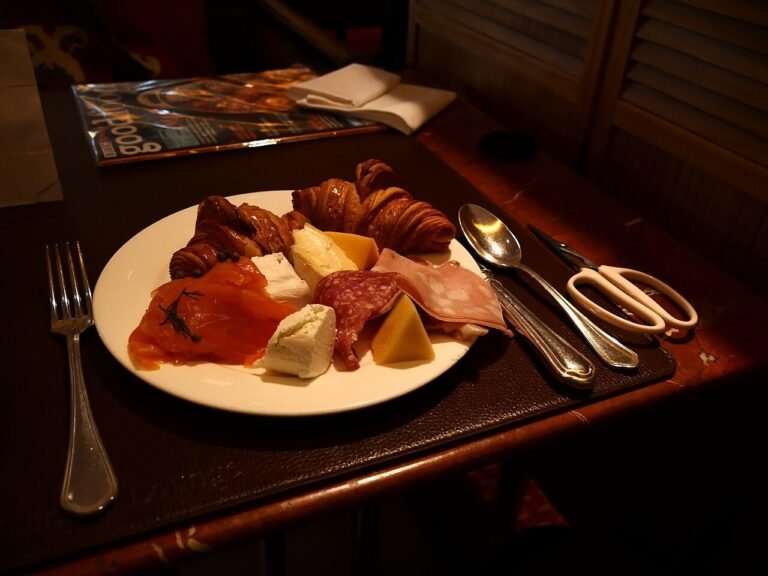
How Chinese cold dishes work: the five families from smashed cucumber to drunken crab, the eight plates worth ordering, and how to read the display case.

The Qinling-Huaihe line decides whether China eats noodles or rice: why the divide exists, what each side eats, and the exceptions travelers should know.
Chinese cooking wine explained: what Shaoxing wine is, why it goes in marinades and braises, when to add it to a hot wok, and the substitutes that actually work.
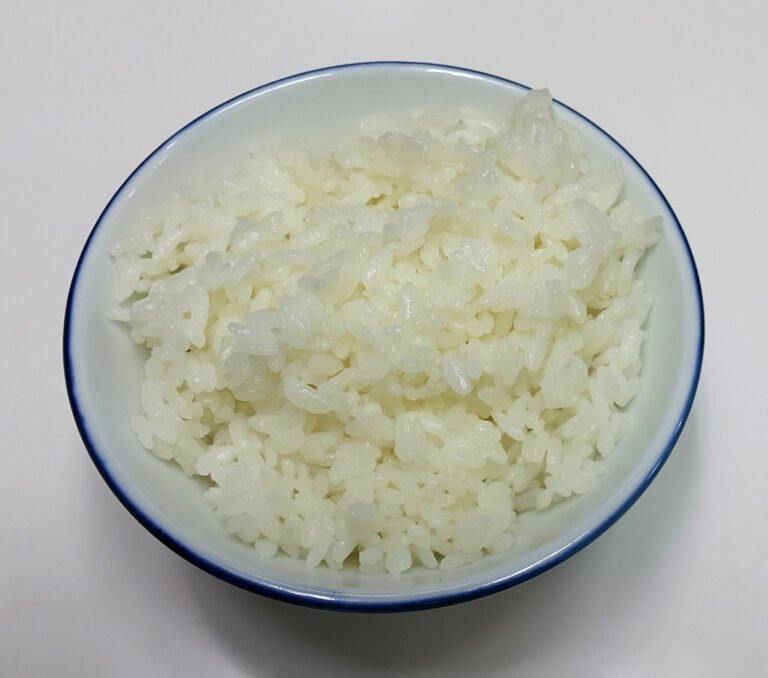
Most Chinese rice is short-grain japonica, plus glutinous rice for festival food; here is how the main Chinese rice types differ and how to cook each one

Light, dark, or aged: this guide explains the types of soy sauce in Chinese cooking, what each bottle does, and how to shop for brewed sauce for steamed fish
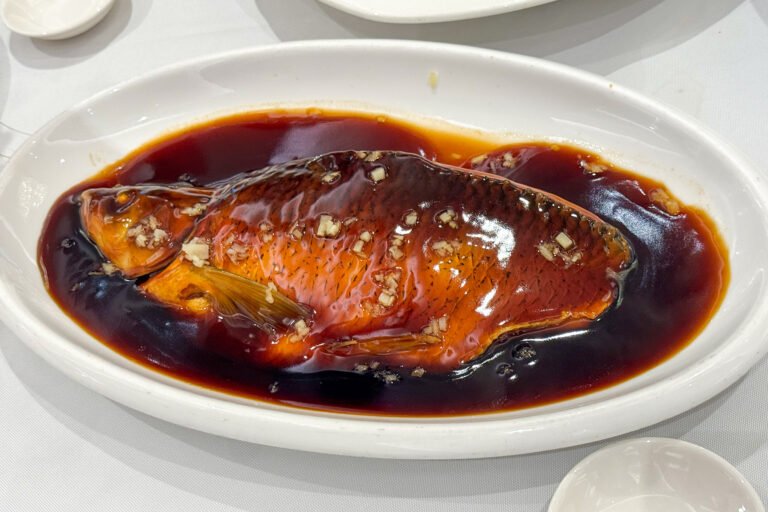
Chinese vinegar ranges from mellow Zhenjiang black to sharp Shanxi mature; learn the types, how they are used, and which bottle to buy

Chinese pickles and preserved vegetables are the sour, salty sides that fix a meal; learn the families, from Sichuan paocai to dried meigan cai

Chinese chili oil is dried chilies bloomed in hot oil with Sichuan peppercorn, then rested. Learn the technique, a home recipe, and how it links to laziji chicken