Shenzhen Is Built for Walking, Even If It Doesn’t Look Like It
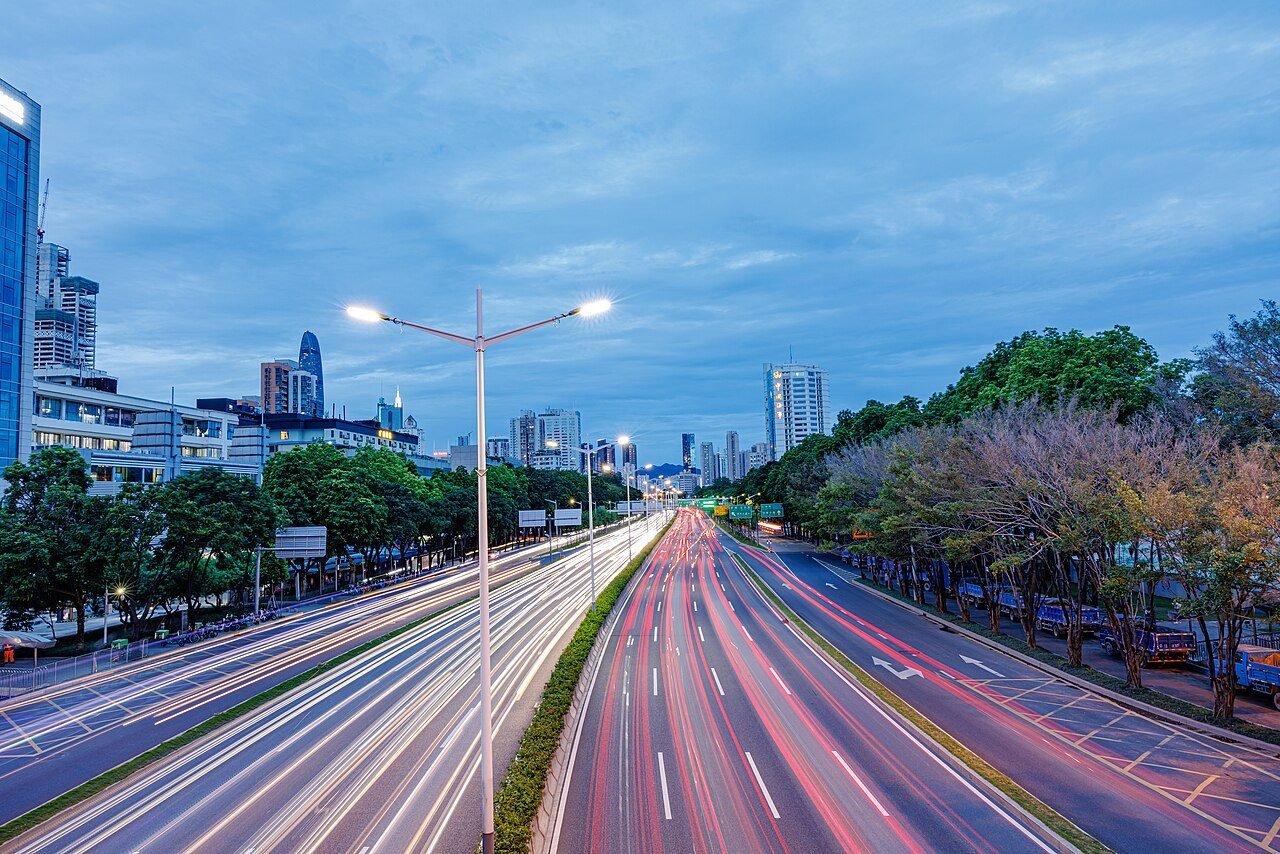
Shenzhen confuses first-time visitors. It is a city that barely existed in 1980, now packed with glass towers and flyovers that seem to hate pedestrians. But spend a day on foot and you find the opposite: wide riverside promenades, leafy residential blocks, and creative districts where the car gives way to the stroll. The city is young, so its walking culture is young too, but it is real.
A “citywalk” in Chinese social media means a slow, purposeless-ish wander through a neighborhood, stopping for coffee and snacks. Shenzhen’s version works because the metro drops you in walkable pockets and the weather is warm most of the year. I have done five different loops here, and the best ones mix a waterfront with a food street.
The metro is the secret to making this work. Shenzhen’s five-plus lines are clean, cheap, and signed in English, and they link every walkable district I mention below. You rarely walk more than ten minutes from a station to the start of a good route. Alipay and WeChat both run built-in metro passes now, so you can tap in with your phone instead of hunting for a card, though you will need a Chinese-linked payment setup or a tourist pass to use them.
This guide lays out four walks I would actually recommend, plus where to eat on each. Pair it with the broader Shenzhen travel guide if you want transport and hotel basics.
Walk 1: Shenzhen Bay to Mangrove Coast
Start at Shenzhen Bay Park, a flat ribbon of path along the water facing Hong Kong’s mountains across the border. On clear days you see the peaks; on hazy days you still get sea breeze and joggers. The path runs for kilometers, so just pick a segment. Bring nothing but water and a hat, because shade is scarce.
Continue north to the Mangrove Nature Reserve, where boardwalks cut through coastal forest full of egrets. It is free and refreshing after the city’s concrete. End at the mixC shopping area in Nanshan for air conditioning and a proper meal. This walk is about 6 kilometers if you do the full bay stretch, easy and flat.
Walk 2: OCT Loft and the Artsy Blocks
OCT Loft, the Overseas Chinese Town creative park, is the city’s best low-key wander. Old factory buildings now hold galleries, design shops, and small cafes. The streets are painted, the bookstores are genuine, and there is usually a weekend market. I like it because it feels like a city taking its own culture seriously rather than just importing it.
From here, walk toward Window of the World and the nearby Happy Valley if you want spectacle, or stay in OCT for dinner. The area connects to Hong Kong travel guide day trips by metro, since it is on the line that reaches the border.
Walk 3: Dongmen and the Old Downtown
Dongmen is where Shenzhen’s commercial life started, and it still feels like a dense old Chinese shopping district even though the city around it is new. Narrow lanes, cheap clothes, and street food stalls selling everything from grilled squid to sugar cane juice. It is loud and a little chaotic, which is the point.
The food here is the draw. This is a good place to begin a Guangzhou dim sum habit before you even cross into Guangdong’s capital, since Shenzhen shares the Cantonese table. Look for steamed rice rolls (cheung fun) pushed out of tiny storefronts.
Walk 4: Dafen Painting Village and Huaqiangbei
Dafen is a village that produces a surprising share of the world’s hand-painted oil copies, and walking its alleys you see artists at easels under naked bulbs. It is touristy but oddly moving, a whole neighborhood that paints for a living. Combine it with Huaqiangbei, the electronics megamarket, if gadgets interest you, though Huaqiangbei is more maze than walk.
Neither is a “pretty” walk, but both show the city’s working side. For a calmer finish, head to Lianhuashan Park, where a hilltop gives the best free skyline view of the Futian CBD.
Where the Food Fits In
Shenzhen eats Cantonese first, with a heavy dose of everything else because migrants from across China landed here. The dim sum is reliable and cheap compared with Hong Kong. The Canton Tower and Guangzhou are only 30 minutes by high-speed train, so many visitors do a Shenzhen-Guangzhou combo.
For a sit-down meal on a walk, seek out a teahouse in the afternoon. Order har gow, siu mai, and a pot of pu er, and you have done what locals do on their own weekends. The Chen Clan Academy in Guangzhou is worth the side trip if old architecture balances out all this newness.
Do not sleep on the late-night eats. Shenzhen’s migrant energy means restaurants run long, and a walk that ends around 9 p.m. can still find a full noodle house open. Look for cha chan teng style cafes that serve Hong Kong style milk tea and pineapple buns, a taste of the border region’s blended food culture. These spots are where the city’s two worlds, the gleaming new and the comfortingly old, actually meet on one plate.
A Sample Half-Day Loop
| Time | Stop | Why | On foot? |
|---|---|---|---|
| 9:00 | Shenzhen Bay Park | Waterfront, flat, quiet | Yes, 2-3 km |
| 11:00 | Nanshan mixC | Coffee and AC | Short walk |
| 13:00 | OCT Loft | Galleries, lunch | Yes, 1-2 km |
| 16:00 | Dongmen | Street food, shopping | Yes, lanes |
| 19:00 | Futian CBD | Night skyline | Metro hop |
This is a relaxed pace. Skip any stop that tires you; Shenzhen rewards dropping plans more than keeping them.
Getting Between Walks and Staying Comfortable
Shenzhen’s walks are spread out, so treat the metro as part of the plan rather than a chore. Buy a one-day tourist card at any staffed station if you are doing three or more hops; it caps your cost. Taxis and ride apps are cheap for the last mile when a walkable core sits far from a station, which happens around Dafen and Huaqiangbei.
Hydration matters more than in most cities because the humidity hides how much you sweat. Carry a bottle; parks have refill points and convenience stores are on every corner. Sidewalk shade is the city’s weak point, so a foldable umbrella does double duty as sun cover. I learned this the hard way on a cloudless bay walk that looked cooler than it felt.
One more thing: Shenzhen closes some park gates at night, but the food streets and OCT Loft stay lively past 10 p.m. Time your waterfront for daytime and your eating for evening, and the city falls into an easy rhythm.
A Note on Seasons and Timing
Shenzhen’s walkability shifts with the weather more than most cities. The sweet spot runs from October to April, when the humidity drops and daytime temperatures sit in the low twenties. Winter days are dry and bright, perfect for the bay and OCT Loft, though evenings cool enough that you want a light jacket. Summer, from May to September, is hot, sticky, and prone to afternoon thunderstorms that scatter an outdoor plan in minutes.
If you visit in summer, shift your walks to early morning and after 7 p.m. The malls and teahouses become your air-conditioned spine between outdoor bursts. I learned to treat July walks as two short sessions around a long indoor rest, and the city became far more pleasant. The upside of summer is the fruit: lychees in June and longan in July are sold from trucks on every corner, a sweet reward for timing your steps around the heat. Spring and autumn, by contrast, let you walk all day without a second thought.
Quick Facts
- Shenzhen was a fishing town in 1980 and is now a megacity of over 17 million.
- Best walking weather runs from October to April; summers are hot and humid.
- Top walks: Shenzhen Bay, OCT Loft, Dongmen, Dafen Village.
- The metro reaches the Hong Kong border, making cross-border day trips easy.
- Dim sum here costs less than in Hong Kong for similar quality.
- Most walks are flat; bring sun protection, shade is limited.
Frequently Asked Questions
Is Shenzhen safe to walk around at night?
Very. Like most Chinese cities it is heavily monitored and petty crime is low. Dongmen gets crowded but not dangerous. Use normal big-city caution with your phone in busy markets.
Do I need a visa just to walk Shenzhen?
Shenzhen has offered a 5-day visa on arrival for some nationalities at the border, but rules change, so check current policy before you fly. Always confirm with the Chinese embassy, because this is exactly the kind of detail that shifts.
How walkable is the city compared with Hong Kong?
Different. Hong Kong has dense connected footpaths; Shenzhen has great pockets but long gaps between them. You walk within districts, then metro between them. Plan loops, not cross-town treks.
What should I eat on a Shenzhen citywalk?
Cantonese dim sum, rice rolls, and roast goose lead. Add migrant-province snacks in Dongmen. The city’s youth also means good third-wave coffee in OCT Loft and Nanshan.
Can I combine Shenzhen with Guangzhou in one trip?
Easily. High-speed trains take about 30 minutes and run all day. Many travelers stay in one and day-trip the other. Guangzhou’s dim sum scene is deeper if you must choose.
Are there English signs on the walks?
Metro and major parks have English. Small alley shops and market stalls often do not, so a translation app helps. Young locals usually manage basic English.
What is the single best walk for a short visit?
Shenzhen Bay Park plus OCT Loft. One gives you the water and skyline, the other gives you culture and food, and the metro links them without a long haul.
Written by the ChinaTravelFood editorial team.