The city that invented the night market
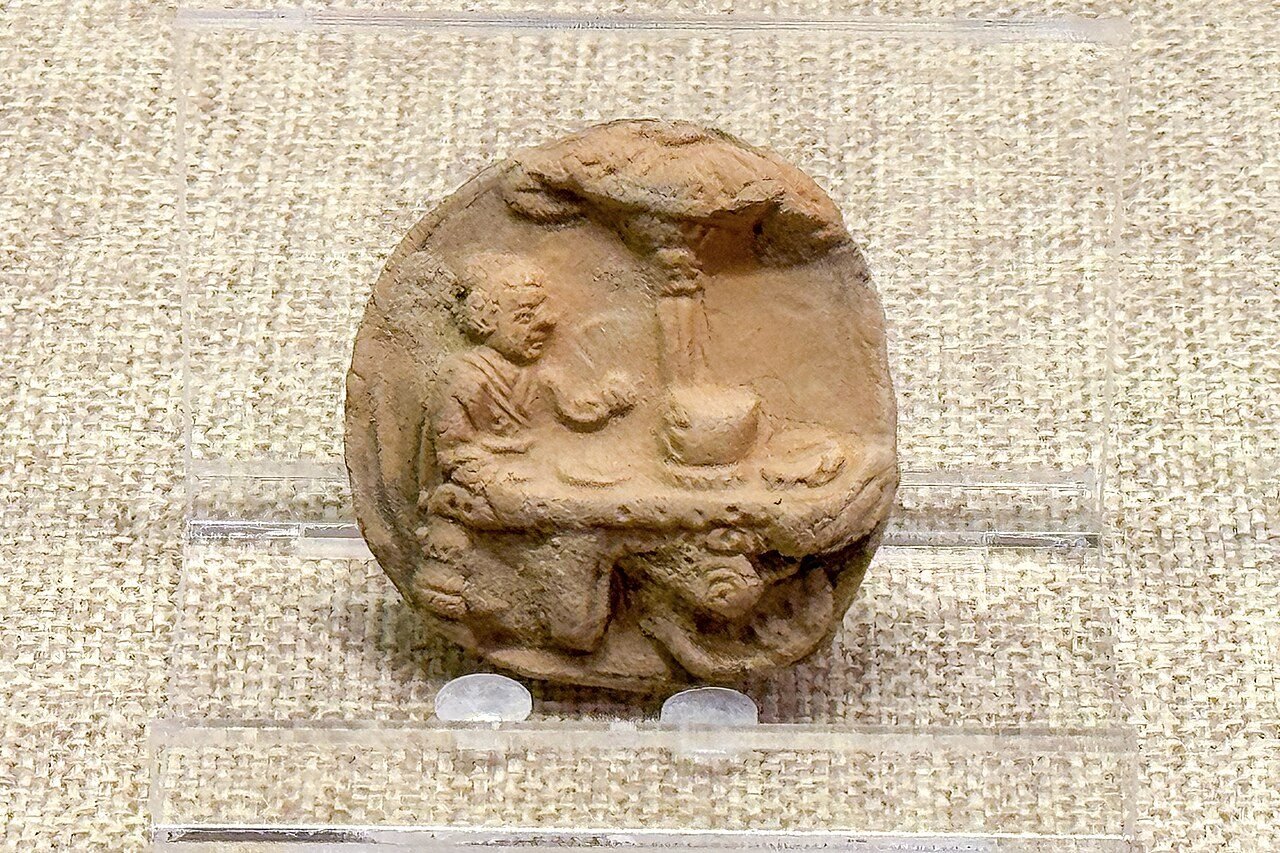
Between 960 and 1127, Kaifeng was the capital of the Song dynasty, and it may have been the largest city on earth. Its population was fed by canals from the Yangtze, governed by an exam-selected bureaucracy, and fed at night by something no other city had: a permitted, policed, thriving night market. The Song government lifted the old curfew, and Kaifeng’s markets ran until midnight, selling dumplings and noodles and lamb soup to people who had finished work. The famous painting of the era, Along the River During the Qingming Festival, is essentially a long scroll of Song-era Kaifeng street food stalls.
That history is not a museum piece here. Kaifeng still eats late and loudly, and the city’s night markets are the argument for a stop on any Henan trip. I spent three evenings working through them in 2024, and this is what to order, where to go, and what each stall is actually selling.
The markets, and who eats where
Kaifeng has three night markets that matter, and they serve different crowds.
The Gulou Night Market, around the Drum Tower in the old city, is the oldest and the most tourist-facing. It runs for hundreds of meters along the lanes south of the tower, with the restored Song-style buildings of Bookstore Street at its northern end. The stalls are larger and the prices slightly higher, but the range is widest: soup dumplings, stir-fried starch jelly, lamb intestine soup, sugar-fried chestnuts, all within ten minutes of walking. This is where you start, because you can see the whole menu of Kaifeng cooking in one pass.
The Xisi Night Market, west of the center near the old Xisi gate, is the locals’ favorite and the one I would pick if I could only go to one. It is smaller, rougher, and cheaper. The lamb skewers come off the grill two at a time, the portion sizes are honest, and the tables are the plastic kind that wobble. Arrive after 8 p.m. and you will be sharing a bench with a Henan family and a pair of off-duty taxi drivers.
The Laohada Night Market, near the old campus of Henan University, is the student market: the cheapest, the newest, and the noisiest. Dishes here run 5 to 15 RMB, the queue stalls change every season, and the crowd skews young enough that half the food is designed to be eaten while walking. If you want the version of the night market that is not performing for anyone, this is it.
What to order, dish by dish
Kaifeng soup dumplings (灌汤包) are the dish the city is known for, and they are not Shanghai xiaolongbao. They are bigger, with a thinner wrapper and a clearer broth, and the correct technique is to pierce the skin, drink the soup first, then eat the pork-and-crab? Usually pork. The saying locals use is: open the window first, then drink the soup. Diyilou, the First Tower, is the century-old restaurant that made them famous and the tourist version; the night market stalls do a decent enough job at half the price. A basket of eight runs 20 to 40 RMB at the markets. Our guide to soup dumplings covers how to eat them without scalding yourself.
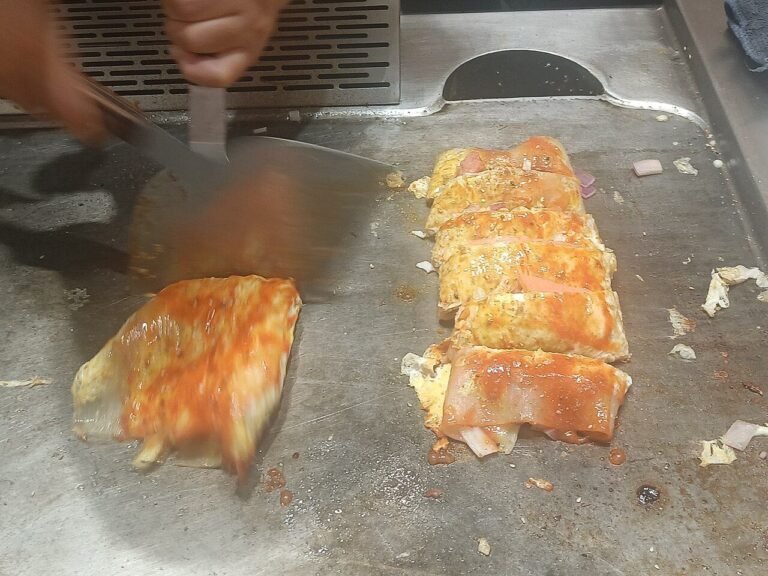
Stir-fried starch jelly (炒凉粉) is the Kaifeng street dish I think about most. Liangfen is a mung bean starch set into a quivering gray slab, cut into chunks, and fried on a flat griddle until the edges go crisp and the inside stays soft, dressed with garlic, chili, and sesame paste. It costs 8 to 15 RMB, it smells like nothing until it hits the pan, and every Kaifeng person has a stall they swear by.
Bucket chicken (桶子鸡) is the old-city specialty: a whole chicken poached and pressed in a bucket-shaped mold, served cold and sliced, with pale meat and a gelatinous skin. Ma Yuxing is the traditional name, and you will find the stalls near Gulou. Buy a quarter chicken for 25 to 40 RMB and eat it standing.
Then the strong stuff. Lamb double-intestine soup (羊双肠) is a bowl of sheep intestines and blood in a milky broth, famously pungent, famously loved, and the reason Kaifeng markets have a reputation. I tried it once out of professional obligation and found it less aggressive than advertised, but it is an acquired taste and I will not pretend otherwise. The Yellow River carp with baked noodles (鲤鱼焙面) is the banquet version of the city’s cooking: sweet-and-sour carp from the Yellow River with a raft of crisp fried noodles over the top, served at restaurants rather than stalls. Order it at a proper restaurant for 80 to 150 RMB and skip the market imitation.
Timing, prices, and etiquette
The markets set up around 5 p.m. and run until midnight or later in summer; in winter they wind down by 10. Go after dark, when the lights come on and the grills start. Everything is paid by phone now, WeChat Pay and Alipay both work at every stall I visited, including the ones with no sign. Bring small bills anyway for the very old-school vendors and the guy selling spiced peanuts from a cart.
Table manners at a night market are different from a restaurant. You sit where there is room, you share, you order from whoever is closest, and nobody will bring you a menu. Point at what looks good, ask the price with a raised eyebrow and the word duoshao qian, and hold up fingers if the number is a problem. Most stalls have a photo of the dish on a plastic board, which solves most of the language question.
The cost of an evening
| Dish | Price (2024) | Where |
|---|---|---|
| Soup dumplings, per basket of 8 | 20-40 RMB | All three markets; Diyilou for the classic |
| Stir-fried starch jelly | 8-15 RMB | Gulou and Xisi stalls |
| Quarter bucket chicken | 25-40 RMB | Gulou area, Ma Yuxing counters |
| Lamb skewers, each | 2-5 RMB | Xisi, Laohada |
| Lamb intestine soup | 15-25 RMB | Gulou, specialist stalls |
| Yellow River carp with baked noodles | 80-150 RMB | Restaurants, not markets |
| Almond tea | 5-10 RMB | Morning markets and Xisi |
Quick facts
- Kaifeng was the Song dynasty capital, and its night markets are the origin of the tradition across China
- Three markets to know: Gulou for range, Xisi for locals, Laohada for students and low prices
- Soup dumplings should be pierced and the soup drunk first; the skin is thin enough to split by accident
- Stir-fried starch jelly is the dish that defines Kaifeng street cooking, and it costs under 15 RMB
- Markets run from about 5 p.m. to midnight in summer, closing earlier in winter
- Souvenirs worth buying: spicy peanuts from Xingshengde and peanut candy from Bai’s shop, both sold citywide
Making a day of it
Kaifeng works best as a stop on a Henan loop rather than a destination. The high-speed line puts Zhengzhou 30 minutes east and Luoyang about an hour west, and both cities have their own food scenes worth a meal. The Henan food guide covers the province beyond Kaifeng, and the Zhengzhou and Luoyang guides cover the route that connects them. If you want the Song dynasty context before you eat, the Qingming Riverside Landscape Garden, the theme park built from the painting that made Kaifeng famous, runs all day and its street performers are the family-friendly version of the market energy.
For a wider look at how Chinese street food varies from city to city, our guide to Chinese street food puts Kaifeng in context, and the Qingming Festival guide explains the holiday that gave the painting its name. One piece of advice: eat your way through the Gulou market first, because it shows you everything, then go back to Xisi for the meal you actually wanted. Kaifeng has been feeding people late at night for a thousand years. The stalls have changed; the timing has not.
Frequently asked questions
Which night market is best for a first visit?
Gulou, because it has the widest range and you can see every Kaifeng specialty in one walk. Go back to Xisi or Laohada on a second night for the cheaper, more local version.
What time should I arrive?
After 7 p.m. and before 9 p.m. is the sweet spot: the stalls are all open, the food is fresh off the grill, and the crowds have not yet peaked. In summer the markets run later, but the best cooking happens in the first two hours.
Is the food safe for travelers with sensitive stomachs?
Mostly yes. Stick to stalls that are busy, since turnover means fresh cooking, and avoid the lamb intestine soup if you are cautious. Bottled water and a cautious approach to raw items cover the rest, and the usual street food rules apply: watch the food being cooked in front of you and skip anything that has been sitting out for hours.
How do I order if I do not read Chinese?
Point. Every stall has photos or the food on display, prices are posted or shouted, and the vendors are used to tourists. Carry a translation app for the dishes with no picture, and pay with the QR codes on the stall.
Is Kaifeng worth a night on its own?
Yes, if you like food history. One night gives you two markets and a bowl of everything; two nights lets you add the theme park, the Drum Tower, and a restaurant dinner with the Yellow River carp. It is not a city for museums, but it is a city for eating.
Can vegetarians eat at the markets?
Yes, with choices. Stir-fried starch jelly, sugar-fried chestnuts, sweet potato noodles, tofu skewers, and the various pancake and cake stalls are all meat-free. Meat broth is common in the soups, so ask, and the mushroom and vegetable skewers are safe picks.
Written by the ChinaTravelFood editorial team.